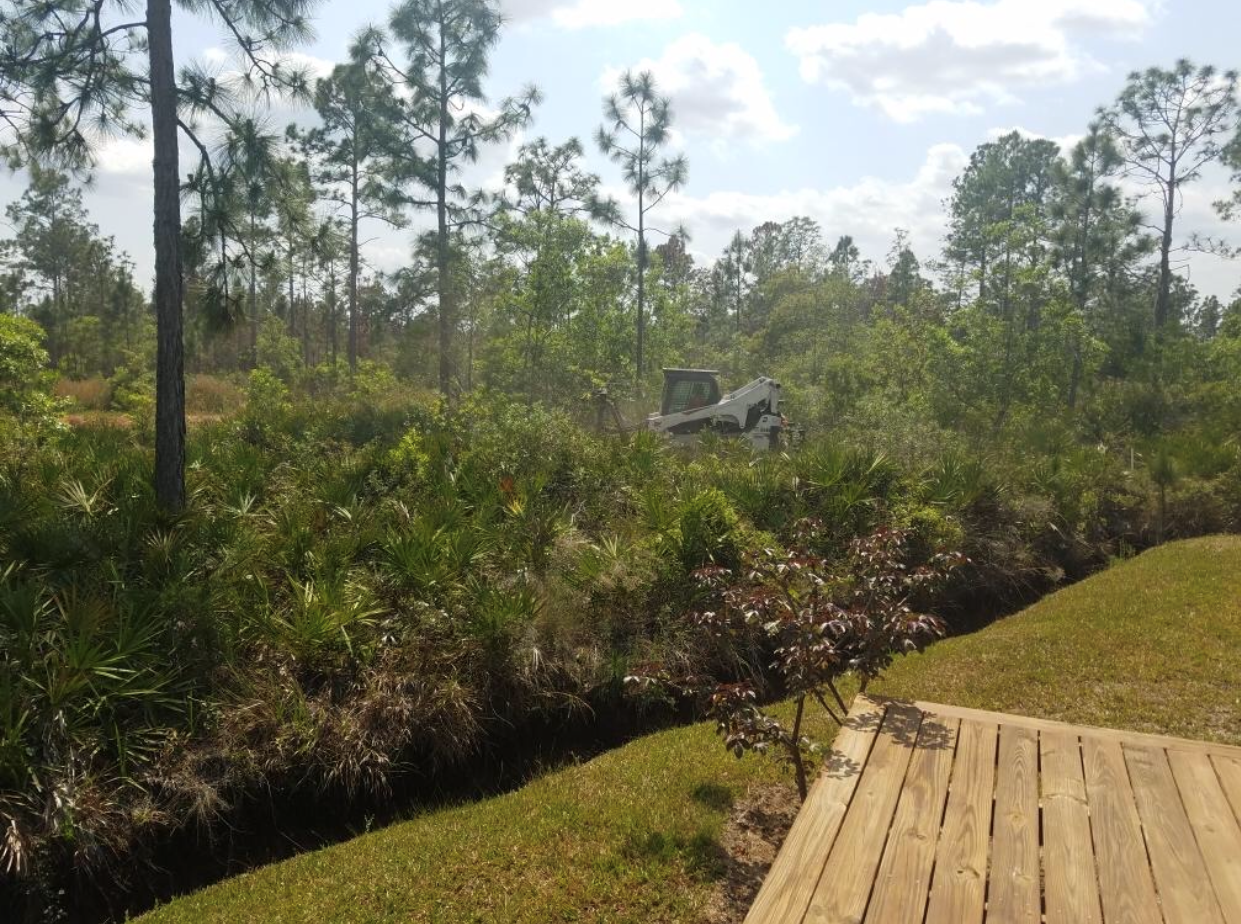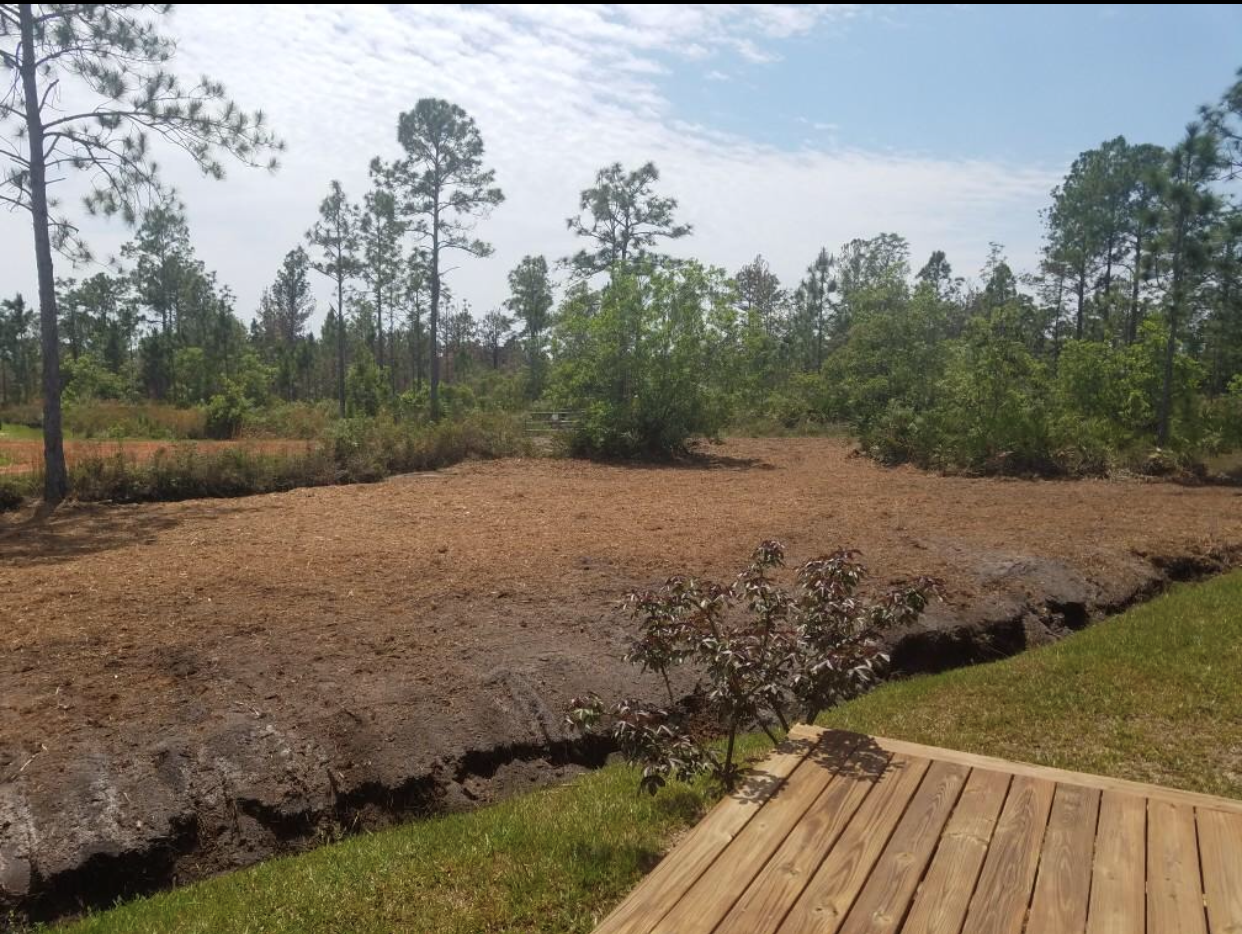
When a property is buried in palmettos, brush, vines, and small trees, most owners are not looking for a complicated process. They want the land cleared, the mess gone, and the property left in better shape than it started. That is exactly why the benefits of forestry mulching matter so much for Florida landowners. It is a practical way to clear overgrowth without turning your lot into a construction dump site.

Forestry mulching uses specialized equipment to cut, grind, and process vegetation on site. Instead of pushing debris into piles, loading dumpsters, or burning everything off, the machine converts the material into a layer of mulch that stays on the ground. For many residential, rural, and light development properties, that approach saves time, protects the soil, and leaves the land easier to use right away.

Why the benefits of forestry mulching stand out

Not every clearing method fits every property. In some cases, full grubbing, excavation, or selective tree removal is still the right move. But when a lot is overgrown with brush, invasive plants, saplings, and light to moderate tree cover, forestry mulching often gives owners a cleaner result with fewer headaches.

The biggest difference is what does not happen. There are no burn piles to manage, no major hauling operation, and far less disturbance to the ground. That matters in Florida, where soil conditions, drainage, erosion, and vegetation regrowth can all affect what happens after the clearing is done.

Faster clearing with less disruption

One of the first things property owners notice is speed. A forestry mulcher can cut and process vegetation in one pass, which removes the need for multiple crews and separate cleanup stages. That can shorten the timeline significantly, especially on smaller acreages or properties with dense brush.

Speed is not just about convenience. It also helps when you are trying to move forward with a home site, pasture project, fence line, trail layout, or general cleanup before storm season. A faster process means you can see the shape of your property sooner and make decisions with a clear view of the land.

Just as important, the work is less disruptive than methods that involve constant truck traffic, dragging material across the lot, or stacking debris everywhere. The site tends to stay more organized from start to finish.

Lower cleanup and disposal costs

One of the clearest benefits of forestry mulching is that it cuts out many of the extra costs that come after cutting. When vegetation is mulched on site, there is usually no need to pay for large-scale debris hauling, landfill disposal, or repeated burn management.

That does not mean every project is cheap. Cost still depends on acreage, thickness of growth, access, terrain, and the type of material being cleared. Heavy trees, buried debris, and specialty removals can change the scope. But on the right property, forestry mulching is often more cost-effective because it combines clearing and debris reduction into one operation.

For owners trying to improve land without overspending before the next phase, that efficiency can make a real difference. Money saved on hauling and disposal can often be put toward fencing, grading, seeding, or site planning.

Better protection for topsoil

Florida landowners do not just need brush removed. They need usable ground left behind. That is where forestry mulching has a strong advantage.

Because the vegetation is processed in place, the soil is not disturbed the same way it would be with aggressive clearing methods that scrape, pile, and drag material across the site. A layer of mulch remains on the surface, helping reduce erosion, support moisture retention, and shield the topsoil from direct sun and heavy rain impact.

That is especially useful on rural properties, future home sites, and pasture areas where preserving the ground matters as much as removing the growth above it. If you strip and damage the soil during clearing, you may create a second problem that needs to be fixed later.

Mulch is not a cure-all, and some projects still need grading or additional site work afterward. But starting with less soil disturbance puts the property owner in a better position.

A cleaner property without burn piles

Many owners simply do not want piles of brush sitting on their land for weeks or months. Burn piles can be ugly, inconvenient, and in some cases risky. They also create another task that has to be managed after the cutting is done.

Forestry mulching avoids that problem by reducing the vegetation where it stands. The result is a property that looks cleaner and more finished right away. You can walk the land more easily, see boundaries and features more clearly, and begin planning the next step without staring at heaps of debris.

For homeowners and land buyers, this can be one of the most satisfying parts of the process. The transformation is immediate. What was once blocked by dense overgrowth starts to look like usable property again.

Improved access and better use of the land

Overgrown land often hides the actual value of the property. What looks like a wall of brush may be a future homesite, a pasture expansion, a trail, a hunting access path, or simply acreage you want to enjoy and maintain.

Forestry mulching opens that space up quickly. It can create access roads, widen existing paths, clear around fence lines, open sight lines, and make neglected acreage manageable again. This is one of the reasons it works so well for rural homeowners and small acreage owners who need practical results, not just cosmetic change.

There is also a planning benefit. Once the overgrowth is gone, it becomes much easier to decide where structures, driveways, paddocks, gardens, or recreation areas should go. Early-stage land vision is hard to develop when you cannot even see the contours of your own property.

Help with invasive species and unwanted regrowth

Florida properties often deal with aggressive vegetation that crowds out usable land and desirable plant life. Invasive species, dense brush, and volunteer saplings can spread fast, especially when a lot has been left unmanaged.

Forestry mulching is an effective way to knock back that overgrowth and reclaim control of the property. It can clear out thick nuisance vegetation and reset the site so the owner can manage it properly moving forward.

It is worth being honest here: mulching does not mean unwanted plants will never come back. Some species resprout, and some properties need follow-up maintenance. But reducing dense overgrowth in a controlled, efficient way is often the best first step. From there, owners can maintain the land much more easily than they could when everything was tangled and overgrown.

Reduced fire fuel in many settings

Another practical point is fuel reduction. On some properties, especially rural tracts with heavy underbrush, deadfall, and thick vegetation, the buildup of combustible material can be a serious concern. Forestry mulching helps by reducing ladder fuels and ground-level overgrowth that can feed fire spread.

This is not the same as making a property fireproof, and it should not be treated that way. Conditions, weather, surrounding vegetation, and overall land management still matter. But creating defensible space, improving access, and cutting down excess fuel can be a smart move for owners who want a safer and more manageable property.

In Florida, where dry periods can quickly change conditions, proactive clearing has value beyond appearance alone.

When forestry mulching makes the most sense

The benefits of forestry mulching are strongest when the goal is selective, efficient clearing without tearing up the property. It is often a good fit for residential lots, rural acreage, pasture prep, trail clearing, invasive species control, and light site preparation.

That said, it is not always the only step needed. If you are preparing for full construction, septic installation, utilities, or foundation work, additional clearing and grading may still be required. Larger trees, stumps, and root systems may also call for separate equipment depending on the plan for the land.

That is why honest site evaluation matters. Good land clearing is not about using the same method everywhere. It is about choosing the right approach for the owner’s goals, the condition of the property, and what comes next.

A well-cleared lot should do more than look better for a day. It should give you a cleaner start, a clearer plan, and land you can actually use with confidence.

Leave a Comment


A five-acre property can look simple from the road and turn into a very different job once the machine starts moving. One section may be light brush and palmettos. Another may hide thick saplings, vine-covered understory, wet ground, old fencing, or invasive growth that slows production. That is why forestry mulching cost per acre is never just a flat number pulled from a chart.

For Florida property owners, the real question is not only what it costs per acre. It is what you are getting for that price, how usable the land will be when the work is done, and whether the clearing method protects the property instead of beating it up.

What is the average forestry mulching cost per acre?

In many cases, forestry mulching cost per acre falls somewhere between about $1,500 and $4,500 per acre, but that range can move lower or higher depending on site conditions. Light overgrowth on accessible ground may land near the lower end. Dense brush, small trees, invasive species, and difficult terrain can push pricing well beyond that.

That range matters, but it should be treated as a starting point, not a promise. A one-acre homesite pad area on relatively open land is not priced the same way as five acres of neglected property with heavy underbrush and mixed hardwoods. The amount of material on the ground, the size of what needs to be mulched, and how selective the clearing needs to be all change the equation.

For many owners, per-acre pricing is useful for rough budgeting. For an actual proposal, most experienced contractors look at the property itself before giving a firm number.

Why forestry mulching cost per acre varies so much

The biggest driver is vegetation density. If a machine can move steadily through brush and small growth without constant stops, the cost per acre is usually more favorable. If the operator is dealing with tightly packed saplings, thick vines, cabbage palms, or tangled invasive species, production slows and the cost rises.

Tree size also matters. Forestry mulching is efficient, but it is not magic. Clearing tall grass, light volunteer growth, and scattered brush is very different from processing a stand of heavier trees. Even when the acreage is the same, the time and wear on the machine can be dramatically different.

Ground conditions have a major effect as well. Dry, stable land is easier and faster to clear than soft areas, hidden stumps, steep sections, or property with drainage issues. In Florida, wet spots, sandy patches, and uneven terrain are common enough that they should always be part of the conversation before pricing is finalized.

Then there is access. If the machine can get in easily, work efficiently, and move from section to section without a lot of extra handling, that helps control costs. If access is tight, gated, heavily wooded at the entrance, or far from the road, setup and travel time can become part of the job.

The type of clearing you want changes the price

Not every mulching project is a full clear. Some owners want a complete reset for a future homesite, driveway, pasture, or recreational area. Others want selective clearing that preserves mature trees, protects certain species, opens views, or creates trails through the property.

Selective work often takes more care and more time. It may look less dramatic to someone expecting a total wipeout, but it usually delivers a better result for the owner. When an operator is working around trees you want to keep, preserving topsoil, and shaping usable space instead of simply knocking everything down, the job becomes more precise.

That precision can affect forestry mulching cost per acre, but it can also improve the value of the work. A cheaper job is not a better job if it leaves you with damaged root zones, unnecessary clearing, or a property that no longer fits your plans.

Florida conditions can push costs up or down

Florida land is its own category. Palmettos, Brazilian pepper, gallberry, wax myrtle, vines, and volunteer trees can build up fast, especially on parcels that have sat untouched for years. Some lots look manageable until the operator gets into the understory and finds just how thick it really is.

At the same time, many Florida properties are good candidates for forestry mulching because the process clears efficiently without creating burn piles or requiring large-scale debris hauling. The vegetation is processed on site into mulch, which can help reduce erosion and leave the lot cleaner and more stable than traditional methods that disturb the soil more aggressively.

That local reality is why a Florida-based contractor should price with local vegetation, weather patterns, and soil conditions in mind. A national average does not tell you much if your property includes invasive brush, wet ground, or a mix of pine, scrub, and heavy undergrowth common in this part of the state.

Per-acre pricing versus hourly pricing

Some jobs are quoted by the acre. Others are quoted by the hour or by the day. Neither method is automatically better.

Per-acre pricing works well when the site conditions are fairly consistent and the scope is clear. It gives the owner a simple way to budget and compare options. Hourly pricing can make more sense when the work is highly selective, the acreage is irregular, or there are too many unknowns to price the entire project fairly upfront.

If a contractor gives a low per-acre number without seeing the property in detail, be careful. That low number may assume easy conditions that do not exist. On the other hand, if a contractor explains exactly what is included, what could change the cost, and what result you should expect, that is usually a better sign than a cheap estimate with no detail behind it.

What should be included in the price?

When comparing estimates, the number alone does not tell the whole story. Ask what the work includes and what the finished land will look like.

A quality forestry mulching price should make clear whether the contractor is handling light brush only or heavier material, whether selective tree preservation is part of the plan, and whether the mulch will be left evenly distributed or piled in certain areas. It should also address obstacles if they are known, such as fence lines, hidden debris, old storm damage, or invasive species that require extra attention.

Some landowners assume every clearing job includes stump grinding, root removal, grading, or final site prep for construction. Forestry mulching usually does not include all of that by default. It is primarily a clearing method, not a complete earthwork package. That does not make it less valuable. It just means the scope should be clearly defined from the start.

How to tell if the quote is fair

A fair quote balances price, production, and outcome. If one estimate is much lower than the others, there is usually a reason. Maybe the contractor is planning a rough pass instead of a more complete finish. Maybe they are not accounting for access issues. Maybe they do not fully understand the property yet.

Look for honesty in the way the job is discussed. A trustworthy contractor will tell you where the site is straightforward and where it may get more difficult. They will explain whether the goal is opening the property, reducing fire fuel, improving pasture use, or preparing for the next phase of building. Good pricing follows a clear plan.

That matters because the real value of forestry mulching is not just that the brush disappears. It is that the land becomes usable. You can walk it, see it, plan it, and move forward with confidence.

When paying more per acre can save money

The lowest number is not always the lowest total cost. If a better operator clears efficiently, avoids unnecessary damage, and leaves the property in better shape for the next step, that can save money after the mulching is done.

For example, preserving topsoil and minimizing disturbance can reduce follow-up work. Keeping mulch on site can eliminate hauling and disposal costs. Clearing thoughtfully around desirable trees or layout areas can help you avoid rework when it is time for fencing, pasture setup, drive access, or home placement.

That is one reason many owners choose forestry mulching in the first place. It is often a cleaner, more efficient way to reclaim overgrown land without the mess and expense that come with piling, burning, or hauling everything off.

Getting the right estimate for your property

The best way to understand forestry mulching cost per acre is to have the land looked at with your actual goals in mind. Are you trying to open up a homesite, clean up a hunting property, restore pasture, reduce wildfire fuel, or get ahead of invasive growth before it spreads further? The answer affects the scope, and the scope affects the price.

At Lots Cleared, that is how we look at the work – not as random acreage, but as a property with a purpose. Two owners can have the same number of acres and need completely different results.

If you are budgeting for land clearing in Florida, use per-acre pricing as a rough guide, but do not stop there. The smart move is to focus on the condition of the land, the quality of the finish, and the experience of the person doing the work. When the job is done right, you are not just paying to remove brush. You are investing in land you can finally use.

Leave a Comment


If you have walked a Florida property covered in palmettos, brush, saplings, vines, and invasive growth, you already know the real problem is not just that it looks overgrown. It is that the land becomes hard to use, hard to plan, and in many cases harder to protect from fire risk and ongoing vegetation spread. That is exactly where people start asking, what is forestry mulching, and is it the right way to clear land without tearing it up?

Forestry mulching is a land clearing method that cuts, grinds, and processes unwanted vegetation in place using specialized equipment. Instead of pushing debris into burn piles or hauling everything offsite, the machine turns brush, small trees, and undergrowth into a layer of mulch that stays on the ground. The result is a cleaner, more usable property with far less disturbance than many traditional clearing methods.

For Florida landowners, that matters. A lot of properties need selective clearing, not a scorched-earth approach. You may want to open up a homesite, reclaim pasture, cut trails, remove invasive species, or reduce wildfire fuel while keeping the land stable and workable. Forestry mulching is often the right fit because it clears what is in the way without stripping the property down to bare dirt.

What is forestry mulching and how does it work?

At its core, forestry mulching uses a heavy machine with a rotating drum or similar attachment designed to shred vegetation. The operator moves through the property and mulches material where it stands. That can include thick brush, small-diameter trees, volunteer growth, and dense understory that makes a lot unusable.

The mulch is then left across the surface of the soil. That layer helps reduce erosion, slows regrowth, and avoids the mess that comes with large debris piles. On many jobs, that is a major advantage. Property owners do not have to deal with stacked brush, open burning concerns, or the added expense of loading and dumping debris somewhere else.

That said, forestry mulching is not the same as full excavation or root removal. In many cases, it is designed to clear above-ground vegetation efficiently while preserving the general grade and topsoil. If a site needs complete stump extraction, deep grading, or preparation for a foundation footprint, those may be separate steps depending on the project.

Why property owners choose forestry mulching

The biggest reason is simple – it gets land back into usable condition fast.

On a rural homesite, forestry mulching can open up space for driveways, fencing, future building areas, and better visibility across the property. On agricultural land, it can help reclaim overgrown pasture edges, knock back woody encroachment, and improve access for future maintenance. On recreational properties, it can create trails, shooting lanes, camping areas, and cleaner access without turning the place into a construction zone.

There is also a cost and efficiency advantage in the right situation. Because the vegetation is processed onsite, there is often less labor involved in cleanup and fewer disposal costs. That can make a noticeable difference for owners who want a practical solution and a visible transformation without paying for unnecessary extra handling.

For many Florida properties, another major benefit is environmental. Forestry mulching can preserve topsoil better than methods that involve aggressive scraping or repeated heavy disturbance. It also supports more selective decision-making. A good operator can clear invasive growth and problem vegetation while leaving desirable trees or natural buffers in place.

What forestry mulching is good for

Forestry mulching works especially well on properties where the main issue is thick overgrowth rather than buried construction debris or major earthmoving needs.

It is commonly used to clear brush-heavy lots, improve road and fence line access, remove invasive species, establish fire breaks, reduce wildfire fuel, and prepare land for the next phase of planning. It is also a strong option when owners want to make a property look cared for and functional without removing every natural feature.

This is where experience matters. Not every acre should be cleared the same way. Some owners want broad opening and visibility. Others want privacy, shade, habitat value, or screening from nearby roads. The best results come from clearing with a purpose, not just knocking everything down.

When forestry mulching may not be enough

Like any land clearing method, forestry mulching has limits.

If your project involves large stumps, deep root removal, drainage correction, house pad construction, or heavy grading, mulching may only be one part of the process. The same goes for sites with significant storm debris, buried trash, concrete, or material that cannot be mulched safely.

There is also an it-depends factor with final appearance. Forestry mulching leaves an organic finish, not a manicured lawn-ready surface. For many rural and residential properties, that is exactly the right result. The land is open, accessible, and far more usable. But if you need a smooth finish for immediate building or seeding, additional site prep may follow.

That is why honest guidance matters. A trustworthy contractor should tell you when forestry mulching is the best answer, when it is only part of the answer, and when another method is more appropriate.

What is forestry mulching compared to traditional land clearing?

Traditional clearing often involves cutting vegetation, piling it, burning it, hauling it away, or pushing material around with larger earthmoving equipment. That can be effective, especially for certain kinds of development work, but it often creates more disruption and more debris management.

Forestry mulching is different because it combines cutting and cleanup into one process. The machine processes vegetation where it stands, which cuts down on handling and helps keep the site cleaner throughout the job.

That does not mean one method is always better. It depends on your goals. If you want selective clearing, less soil disturbance, and no burn piles, forestry mulching is often a strong fit. If you need complete land conversion for intensive construction, additional clearing and grading equipment may be necessary.

For many Florida property owners, the appeal is that forestry mulching offers a middle ground. It is more substantial than simple brush cutting, but less invasive than full-scale clearing that scrapes and strips the site.

A better fit for Florida land

Florida properties come with their own challenges. Fast-growing vegetation, invasive plants, sandy soils, wet areas, and fire concerns all affect how land should be cleared.

That is one reason forestry mulching has become such a practical option across the state. It can handle dense native and invasive growth while helping protect the soil surface. It also reduces the need for open burning, which is not always practical or desirable depending on location, weather, and local restrictions.

On top of that, a lot of Florida landowners are not trying to erase the natural character of their property. They want to improve it. They want a homesite to feel open and intentional. They want a pasture to be productive again. They want trails, visibility, and access without turning every inch into raw dirt.

That kind of vision takes more than machinery. It takes judgment.

What to expect from the process

A good forestry mulching job usually starts with a walkthrough and a conversation about the property goals. Are you preparing to build? Trying to reclaim acreage? Looking to remove invasive vegetation? Reducing fire load? Opening up views while saving key trees? Those answers shape the work.

From there, the operator can identify what should go, what should stay, and what parts of the site need extra care. Protected species, drainage patterns, usable trees, and future layout plans all matter. The actual mulching process is efficient, but the planning behind it is what makes the finished job feel right.

When the work is done well, the property should not just look cleared. It should make more sense. You should be able to walk it, see its possibilities, and move forward with the next step.

For companies like Lots Cleared, that is the point of the service. It is not just about removing brush. It is about helping owners turn overgrown land into something usable, attractive, and easier to manage.

If you are looking at a piece of property and trying to decide what comes next, forestry mulching is often worth serious consideration. Done right, it can clean up the land, protect what matters, and give you a clearer path toward the property you actually want.

Leave a Comment


Welcome to WordPress. This is your first post. Edit or delete it, then start writing!

10 Comments

  1. A WordPress Commenter on April 4, 2020 at 7:26 pm

    Hi, this is a comment.
    To get started with moderating, editing, and deleting comments, please visit the Comments screen in the dashboard.
    Commenter avatars come from Gravatar.


  2. filmi full izle on January 17, 2021 at 10:29 pm

    Very nice design and superb subject material , practically nothing else we require : D. Madelon Steve Kegan


  3. film izle on January 18, 2021 at 8:23 pm

    Thiis is my first time go to see at here and i am in fact pleassant to read all at single place. Leonelle Ichabod Obe


  4. sex porn on January 21, 2021 at 4:30 pm

    I love reading through an article that will make men and women think. Also, thanks for allowing me to comment. Melba Sansone Nodababus


  5. dublaj on January 30, 2021 at 1:40 pm

    After looking at a handful of the articles on your website, I truly appreciate your technique of blogging. I book-marked it to my bookmark website list and will be checking back soon. Please visit my web site as well and let me know how you feel. Annie Hendrick Babbette


  6. dublaj on January 30, 2021 at 2:51 pm

    Hello! This post could not be written any better! Reading through this post reminds me of my old room mate! He always kept chatting about this. I will forward this page to him. Fairly certain he will have a good read. Many thanks for sharing! Willie Agosto Yalonda


  7. dublaj on January 30, 2021 at 10:54 pm

    After checking out a number of the blog posts on your web page, I truly like your technique of writing a blog. I saved as a favorite it to my bookmark site list and will be checking back soon. Take a look at my web site too and let me know what you think. Eveline Ambros Bindman


  8. bollywood on January 31, 2021 at 7:07 am

    Hello! This post could not be written any better! Reading through this post reminds me of my previous room mate! He always kept talking about this. I will forward this post to him. Pretty sure he will have a good read. Thank you for sharing! Pollyanna Hamish Montano


  9. escort bayan on March 1, 2021 at 8:08 pm

    Normally I do not read article on blogs, however I wish to say that this write-up very compelled me to take a look at and do so! Your writing taste has been surprised me. Thanks, very nice post. Nanete Garey Georg


  10. erotik on March 2, 2021 at 2:05 am

    After looking into a few of the blog articles on your website, I honestly like your way of writing a blog. I bookmarked it to my bookmark website list and will be checking back in the near future. Please check out my web site too and tell me your opinion. Lenette Amble Weinstein